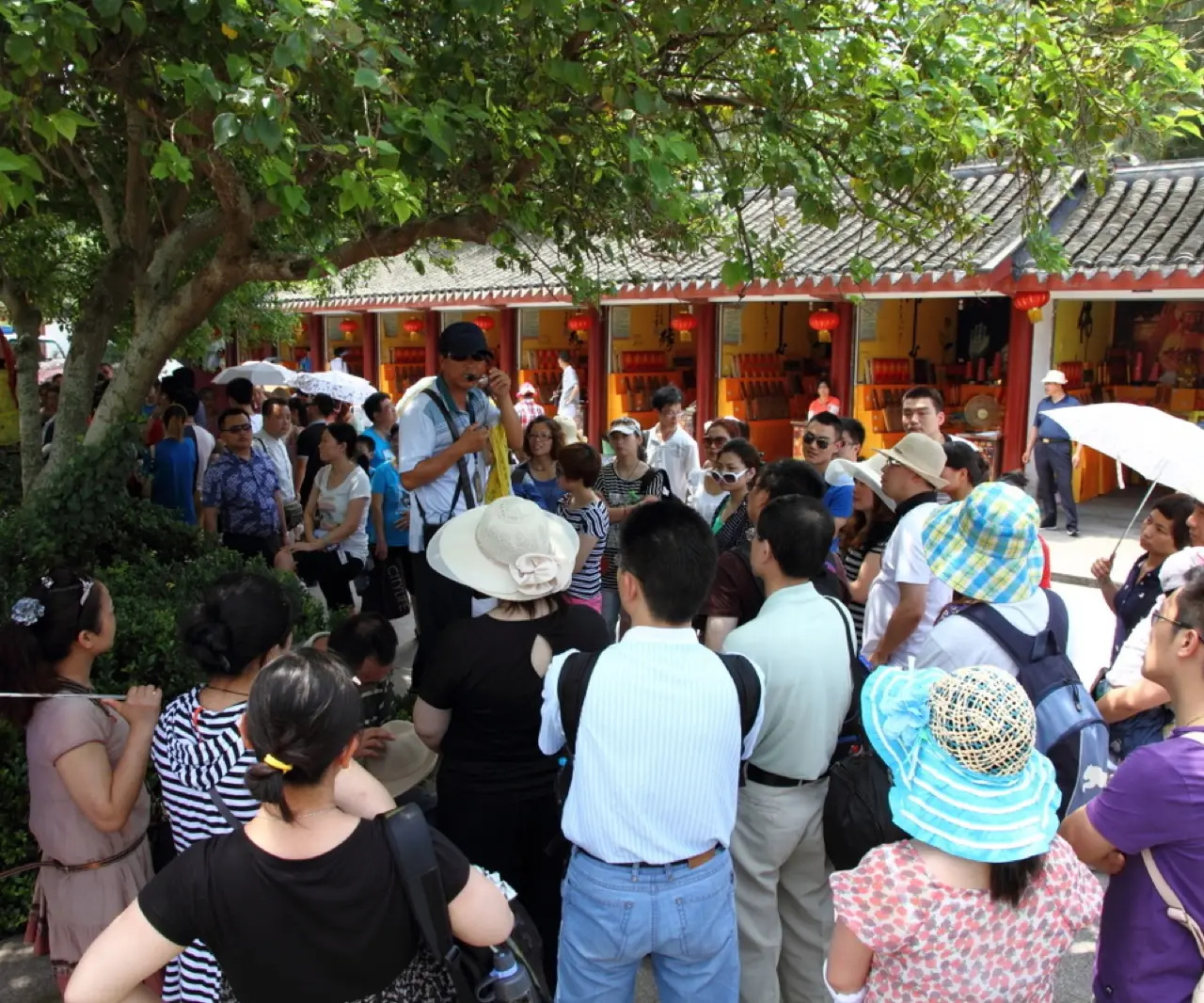
Certified tour guide: why it matters on your trip
A certified tour guide is a professional qualified and registered to accompany, advise and look after travellers. In Brazil, the profession is regulated by law (Law No. 8.623 of 1993) and requires a specific technical course and registration with CADASTUR, the official register of the Ministério do Turismo (Ministry of Tourism). In practice, travelling with a certified guide means having someone genuinely prepared at your side, and not just a friendly person who knows the way.
For travellers aged 60 or over, this difference counts for a great deal. Below, we explain what a certified guide is, what the guide does, and why this changes the travel experience.
What is a certified tour guide?
Tour guiding is a recognised and regulated profession. To work legally, the professional must:
- complete the technical course for tour guides
- register with CADASTUR, the Ministério do Turismo register
- keep that registration active
The regulation comes from Law No. 8.623 of 1993, which defines the profession and its responsibilities. In other words, a certified guide has been trained and is registered to carry out the role.
What does the guide do in practice?
A guide's work goes well beyond pointing out tourist sights. Throughout the trip, the guide:
- accompanies the group from boarding to return
- advises on times, stops and what to expect from each stage
- tells the history and culture of each place
- helps with questions and unforeseen events
- looks after the group's safety and well-being
This is the presence that lets the trip run smoothly without you having to worry about logistics.
Why does this matter for people aged 60 or over?
For the 60+ audience, travelling with a certified guide brings a peace of mind that changes everything:
- the pace is respected, with stops and time to rest
- there is always someone nearby if you feel unwell or have a question
- nobody is left behind
- you do not have to deal alone with maps, languages or unforeseen events
Instead of worrying, you enjoy the scenery, the company and the destination.
Tour guide and travel agent: the pair who take care of everything
It is worth understanding the difference. The tour guide accompanies the group on the road and during the excursions. The travel agent organises everything beforehand: the itinerary, accommodation, transport and booking details. On Guatambu trips, the two work together, and both operate within the rules of the sector.
This combination is what makes for a well-organised trip from start to finish.
How can you tell whether the guide is certified?
As with agencies, you can check. Tour guides also have a CADASTUR registration, which can be looked up on the official website. On a trip organised by a registered agency, accompaniment by qualified professionals is already part of the package.
Frequently asked questions
What is a certified tour guide? A professional with a technical course and CADASTUR registration, qualified by law to accompany and advise travellers.
Which law regulates the tour guide profession in Brazil? Law No. 8.623 of 1993 regulates the profession of tour guide.
What is the difference between a guide and a travel agent? The guide accompanies the group during the trip. The agent organises the itinerary, accommodation and transport before departure.
Does every group trip have a guide? With a registered, reputable agency, yes. The guide is an essential part of looking after the group.
Can I check whether the guide is registered? Yes. Tour guides are registered with CADASTUR, which is public.
Travelling with a certified guide and a registered agency is what separates an improvised outing from a calm, well-cared-for trip. Discover our expeditions at /expedicoes and get in touch with us on WhatsApp. The world is waiting for you. We take care of the rest.
Cover image: Ctny, via Wikimedia Commons (CC BY-SA 3.0).