
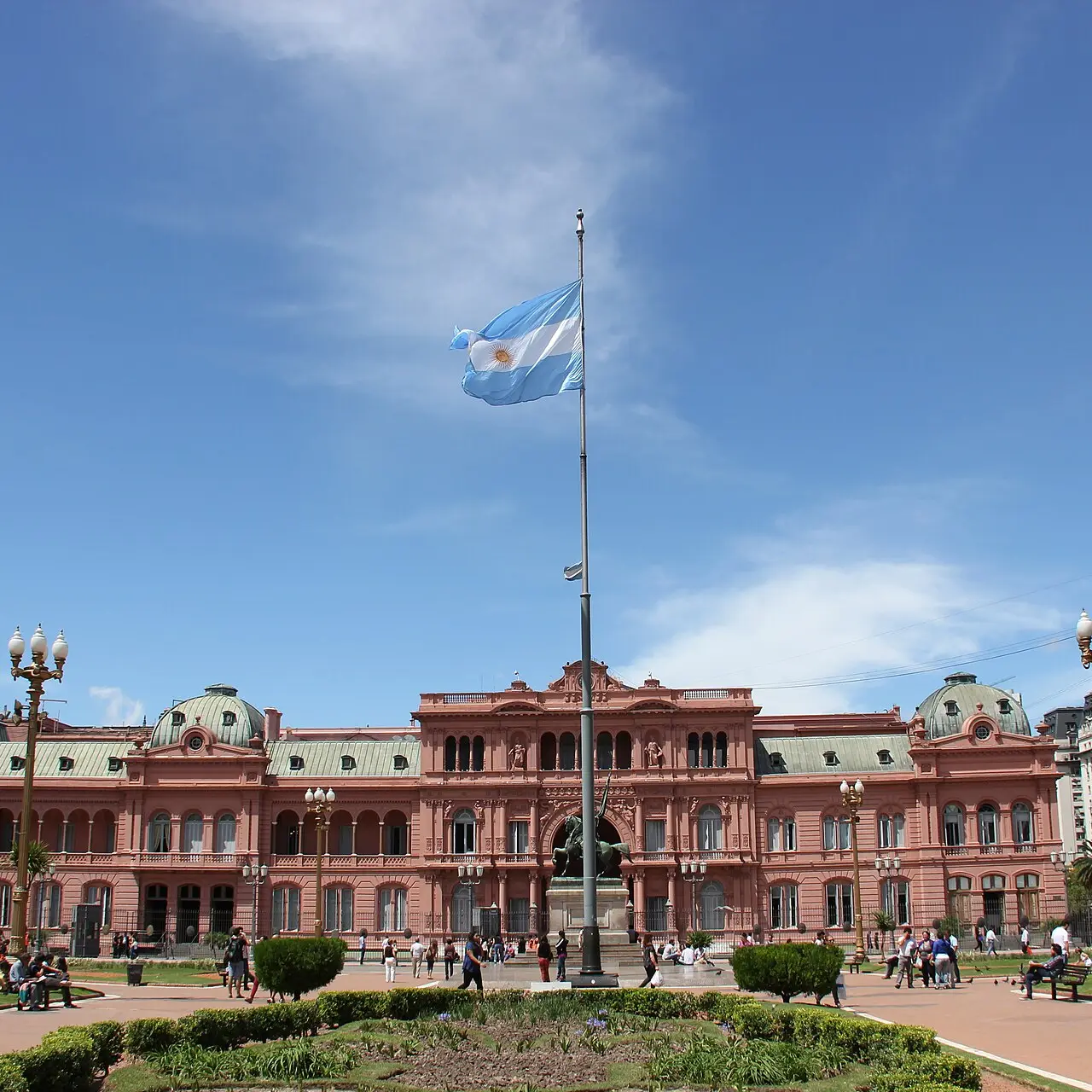
Picture the scene: the city lights come on, the smell of meat on the embers drifts from a parrilla on the corner, someone is playing tango further along, and you and your friends from the expedition are choosing where to toast the evening. Argentina is just like that, a little piece of Europe planted in South America, generous at the table, grand in its scenery and warm in conversation. Before you board, it is worth getting to know a few local ways that tend to puzzle first-time Brazilian travellers: the currency that changes its mood, the charge that appears on the bill, the dinners that only warm up late at night. None of this is alarming when you arrive already knowing. Think of this text as advice from a friend who has been (and came back in love): the practical and timeless side of the trip, written for people travelling in a group, unhurried and in good company. Take the chance to browse the itineraries in our expeditions.
What documents do Brazilians need to enter Argentina?
Brazilians can enter Argentina with just their identity card (RG), thanks to the Mercosur agreement, so a passport is not compulsory. But there is one detail that leaves people frowning at the border every year: the document must be intact, legible and carry a recent photo (in general, issued less than ten years ago is ideal). That crumpled RG at the bottom of your wallet, with a photo from another era and the plastic peeling away, may be refused at the airport or at immigration, and nobody wants to start a trip that way.
A few simple precautions and you can board with peace of mind:
- If your RG has seen a lot of life, request a replacement copy well in advance.
- A passport is also valid and is a great alternative for anyone whose passport is up to date.
- Always carry the original document: a photo on your phone or a photocopy will not pass at immigration.
- Double-check the name: it must match your booking and ticket exactly.
What is Argentina's currency and how does the exchange work?
The official currency of Argentina is the Argentine peso, and the country has long lived with high inflation, so prices have a life of their own and change often. There is also a difference between the official exchange rate (from banks and authorised exchange houses) and the informal rate, the famous "dólar blue". I will not fill you with numbers because they fluctuate all the time; what matters is that you understand how the machinery turns.
In practice, many people arrive with US dollars in cash, which tend to go a long way there. A few tips from people who learned the hard way:
- Bring new, clean notes without tears: a marked or crumpled banknote may be refused or exchanged at a poorer rate.
- Exchange money only in safe and trustworthy places: banks, official exchange houses or establishments recommended by people who know the area. An improvised exchange on the pavement does not deserve your money.
- Spread your money across different places and carry only what you need for the day.
- Credit and debit cards work in a good part of the shops and hotels, but check the international fees before you travel. At markets, taxis and smaller places, though, cash still rules.
Golden advice: arrive in Argentina with some small change for the first few hours, the taxi, a bottle of water, that first coffee, and sort out the rest calmly, without improvising and without pressure. A good trip starts on the right foot.
What is the cubierto in Argentine restaurants?
The cubierto is a custom that makes Brazilians open their eyes wide: in most Argentine restaurants there is a fixed charge per person, added to the bill, that covers the bread, the breadsticks, table service and cutlery. You can relax: it is normal, legal and expected, not a mistake or a trick for tourists. The amount is usually quite reasonable and is itemised on the menu, in plain view. Knowing this in advance, you smile instead of being surprised when the bill arrives.
How does tipping (propina) work in Argentina?
In Argentina, the tip goes by the name of propina and, most of the time, is not included in the bill (remember: the cubierto is table service, not a tip). The custom is to leave around 10% when the service has won you over, preferably in cash, which goes straight into the hands of the person who looked after you.
Where a propina is always welcome:
- Restaurants and cafés: around 10% of what you consumed.
- Hotels: a symbolic amount per day for those who carry your bags and tidy your room.
- Tours and local guides: a kind gesture at the end, according to how much you enjoyed it.
- Taxis: here it is enough to round up the fare, without ceremony.
The propina is always voluntary, but it is part of the culture and brightens the day of people who work in the sector. It is little for you and a lot for the person who receives it.
Table manners and meal times: the Argentine clock is different
Prepare your stomach for the local eating schedule: Argentines eat later than we do. Lunch happens between midday and early afternoon, and dinner hardly gets going before 9 pm, with many restaurants only really coming alive around 10 pm. If hunger strikes at 7 or 8 pm, you may well find the kitchen still warming up. The golden tip for not going hungry is to embrace the merienda, the tasty afternoon snack around five o'clock: coffee, medialunas (small, buttery croissants) and sweets to keep you going until the evening arrives.
Food: a menu worth the trip on its own
Eating in Argentina is an outing, an event, a memory that comes home with you. Make a note of what you cannot miss:
- Asado and parrilla: the Argentine barbecue in person, with prime cuts over a slow fire, the fat sizzling and that aroma that embraces you before the waiter even arrives.
- Empanadas: baked or fried, filled with beef, chicken, cheese and whatever your imagination suggests, perfect for eating on the go and ordering another.
- Milanesa: the classic breaded steak, served plain or "a la napolitana", covered in sauce and melted cheese.
- Alfajores: the country's best-loved sweet, two little biscuits with dulce de leche in the middle and chocolate on the outside. It is impossible to eat just one.
- Dulce de leche: the national joker, found in ice creams, sweets, coffees and anywhere there is room for one more spoonful.
- Helados (ice creams): creamy and artisanal, a proud legacy of Italian immigration, a cone that makes you think twice before going back to Brazil.
- Malbec wine: the red that symbolises Argentina, especially the one from Mendoza, deep in colour and with a flavour that calls for a good conversation.
- Fernet with cola: the country's most typical drink, bitter, intense and very personal; trying it is halfway to understanding the local soul.
- Mate: more than a drink, it is a ritual and a gesture of friendship. You will see Argentines everywhere with the gourd in hand and the thermos flask under the arm, sharing sips and chat.
Language and useful expressions: try your castellano
The language is Spanish, in the sing-song and charming version called Rioplatense castellano. Instead of "tú", Argentines use "vos" (they will ask you "¿de dónde sos?" rather than "¿de dónde eres?"). And the famous "che" pops up all the time in conversation, like an affectionate "hey" or "mate". Keep a few phrases in your pocket:
- "¿Cuánto sale?", how much is it?
- "La cuenta, por favor", the bill, please.
- "Gracias / de nada", thank you / you're welcome.
- "Buenas", an informal "hello" that works at any time of day.
Good old portunhol (a Portuguese-Spanish mix) saves many situations, but trying a few words of Spanish opens smiles and doors, because Argentines love people who try.
Climate and best time to go: pack the right things
Argentina is huge and has many climates, and one thing is worth remembering: the seasons are the same as in Brazil, since we share the Southern Hemisphere. To help you plan:
- Buenos Aires and the centre: hot, humid summers and mild winters; spring and autumn are the most pleasant times to walk around the city.
- South and Patagonia (Bariloche, El Calafate): cold, snowy winters, a spectacle for anyone who dreams of icy landscapes; cool summers, made for trails and breathtaking lakes.
- North (Salta, Jujuy): hotter, with summer rains and earthy colours that look like a painting.
- Mendoza and wine country: dry climate; autumn, at grape harvest time, has a beauty that makes you want to stay.
Bring clothes in layers, because the temperature likes to change between day and night, even at the height of summer. A light jacket in your backpack is never too much.
Etiquette and getting along: let yourself be won over
Argentines are warm and love a good chat. The most common greeting is a kiss on the cheek, including between men in close contexts, so do not be surprised, it is affection. They value good manners and have a lovely pride in their own culture, so praising the food, the wine and the scenery is always well received. The secret is to look at the differences with curiosity and good humour, without rushing to compare everything with Brazil. Those who arrive with an open heart leave with new friends.
Quick summary to stick on the fridge
- Document: RG in good condition (Mercosur agreement) or passport; always the original.
- Money: bring US dollars in cash, new and clean notes, and exchange only in a trustworthy place.
- Cards: accepted in many places; check the international fees and keep cash for the smaller spots.
- Cubierto: a per-person charge added to the bill, normal and legal, do not be alarmed.
- Propina: around 10%, in cash, and not included.
- Meal times: relaxed lunch and, above all, late dinner.
- To try: asado, empanadas, alfajores, Malbec, mate and ice cream (guilt-free!).
- Climate: seasons the same as in Brazil; bet on layered clothing.
What the expedition takes care of for you
The best part of travelling in a guided group is exactly this: everything that tends to keep first-time travellers awake at night is taken off your lap. The expedition guide shows you where to exchange money safely, warns you about the cubierto and the propina before the bill arrives, knows the meal times and restaurants worth visiting, translates whatever is needed and handles border and documentation paperwork. What is left for you is what really matters: the scenery, the generous table and the good laughs with the group. What is worth sorting out at home is little and easy: documents in order, dollars in good notes, a card enabled for use abroad and clothes for every variation of climate. The rest we sort out together, at the calm pace of people who travel to live every minute. Shall we?
Cover image: CC-BY-SA-3.0 (author: Lars Curfs / Grashoofd), via Wikimedia Commons (https://commons.wikimedia.org/wiki/File:Casa_Rosada_exterior_from_Plaza_de_Mayo.JPG).


