Psychography is the mediumistic phenomenon in which a medium writes messages attributed to discarnate spirits. The practice became known worldwide through the medium Chico Xavier, from Minas Gerais, and Mundo a Passeio presents it to travellers from Porto Alegre on itineraries dedicated to Brazilian Spiritist history.
What is psychography?
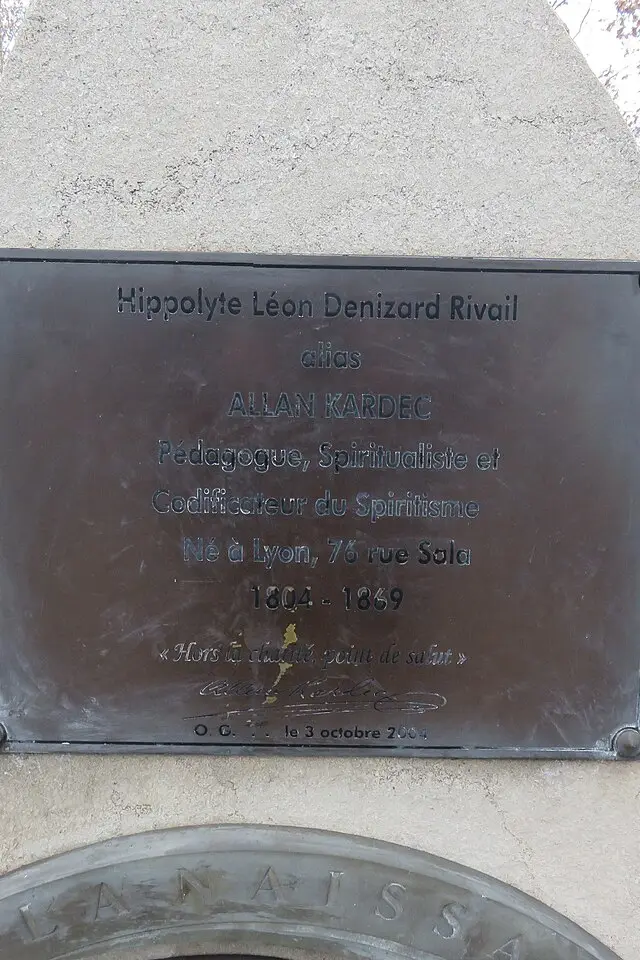
Psychography is the term used within Spiritist Doctrine to describe writing produced by a medium under what the doctrine calls the influence of a communicating spirit. The concept is already described in O Livro dos Médiuns, by Allan Kardec, published in 1861, as one of the forms of communication between the spiritual world and the material world, alongside other mediumistic phenomena discussed in the same work.
In Brazil, the practice gained national visibility from the 1930s and 1940s, when mediums from Minas Gerais began to produce complete works through this process, many of them published by presses dedicated exclusively to Spiritist literature. Since then, psychography has become one of the elements most associated with Spiritist Doctrine in the Brazilian popular imagination.
Are there other Brazilian mediums known for psychography?
Besides Chico Xavier, other Brazilian mediums became known during the twentieth century for works produced through psychography, among them Divaldo Franco, a medium from Bahia who was active in Spiritist work for more than seven decades and died in Salvador in May 2025, and Yvonne Pereira, author of psychographed works such as Memórias de um Suicida, published in the 1950s. Each developed a body of work of their own, associated with different communicating spirits according to the doctrine's account.
Even so, Chico Xavier remains the name most associated with the phenomenon in Brazil, both for the volume of works produced over more than sixty years of activity and for the national repercussion his life reached beyond the strictly Spiritist community.
Who was Chico Xavier?
Chico Xavier, the popular name of Francisco Cândido Xavier, was born in Pedro Leopoldo, Minas Gerais, in 1910, and died in Uberaba, also in Minas Gerais, in 2002. He lost his mother as a child and had a childhood marked by hardship, before beginning, in adolescence, to report his first experiences of mediumistic communication, which were recognised by his family and by the local Spiritist community.
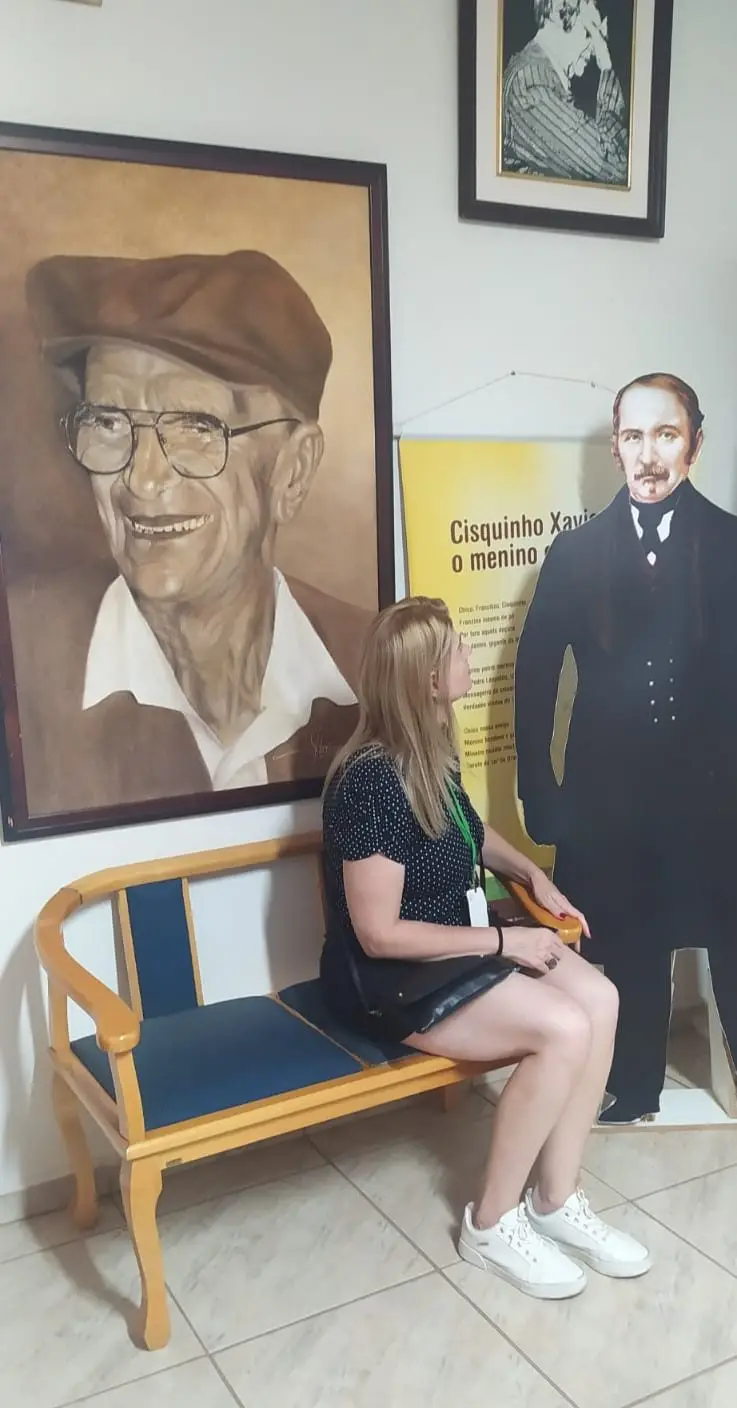
Over his lifetime he psychographed hundreds of books attributed to different communicating spirits, among them Emmanuel and André Luiz, and he donated the royalties from these works to charitable institutions, a practice he maintained over decades of activity. He lived much of his adult life in Uberaba, a city that today preserves his memory in spaces open to visitors, and he became one of the best-known public figures in Brazil linked to Spiritism.
What are the best-known works psychographed by Chico Xavier?
Among the best-known works psychographed by Chico Xavier are Parnaso de Além-Túmulo, from 1932, which gathers poems attributed to deceased authors of Brazilian literature, and the Nosso Lar series, whose first volume was psychographed in 1943 and published in 1944, attributed to the spirit André Luiz, which narrates life in a spiritual colony. The series extended over several volumes in the following decades and became one of the best-selling works of Brazilian Spiritist literature.
These works are still published and sold by presses specialising in Spiritist literature today, and some of them, such as Nosso Lar, also gave rise to film and television adaptations in the decades after their original publication.
How does a Mundo a Passeio caravan approach this theme?
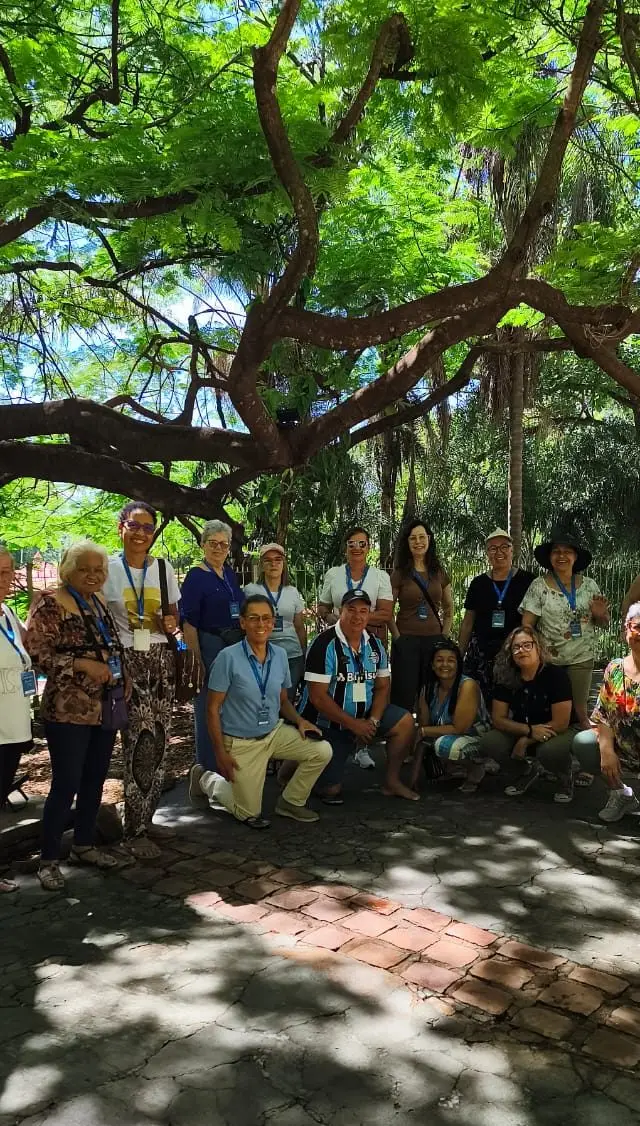
A caravan organised by Mundo a Passeio, departing from Porto Alegre, may include visits to cities linked to the life of mediums such as Chico Xavier, among them Pedro Leopoldo and Uberaba, both in Minas Gerais, allowing travellers to see at first hand the places where this history took place. The itinerary usually combines historical explanations with visits to memorial spaces preserved in these cities.
The historical content presented during the trip is based on public records and documentation available about the places visited, and each destination has its own set of spaces open to visitors, which vary according to the city and the time of year.
Is psychography accepted outside the Spiritist community?
Psychography is a phenomenon studied within Spiritist Doctrine and also discussed by researchers in fields such as psychology and religious studies, with differing positions on its origin and validity outside the religious context. Some scholars analyse the phenomenon from the perspective of literary production and the psychology of creativity, while the Spiritist community interprets it as a mediumistic manifestation.
Mundo a Passeio presents the theme as part of the historical and cultural heritage visited on its caravans, taking no position on open scientific debates and leaving travellers free to form their own interpretation of the phenomenon through contact with the history and the places visited.
Where can you find the works psychographed by Chico Xavier today?
The works psychographed by Chico Xavier remain available in Spiritist bookshops across Brazil and from presses dedicated to the theme, as well as in collections preserved in memorial spaces in cities such as Uberaba, where the medium lived for decades. Libraries in Spiritist centres also tend to hold complete collections of these works for visitors and scholars.
Travellers who join a caravan focused on Spiritist history usually have direct contact with this collection during the visits included in the itinerary, which brings them closer to the context in which these works were produced throughout the twentieth century.
See also Allan Kardec: who he was and what he wrote, Pedro Leopoldo, home of Chico Xavier and the Chico Xavier memorial in Uberaba.