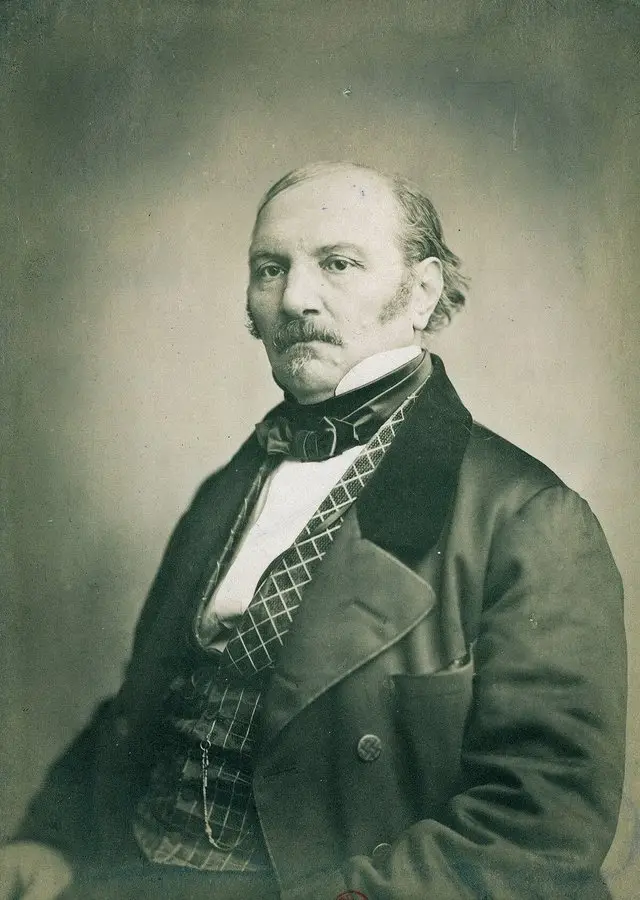
Allan Kardec was the pseudonym of the French educator Hippolyte Léon Denizard Rivail, born in Lyon in 1804, who systematised the Spiritist Doctrine in the nineteenth century. Mundo a Passeio covers this subject on caravans departing from Porto Alegre to cities linked to the history of Spiritism in Brazil.
Who was Allan Kardec?
Allan Kardec was born Hippolyte Léon Denizard Rivail in Lyon, France, in 1804, and first worked as an educator, a disciple of the Swiss pedagogue Johann Heinrich Pestalozzi. He was trained in an educational tradition concerned with method and observation, which would also shape his later approach to mediumistic phenomena. From 1854 he began to investigate the table-turning phenomena and the mediumistic communications then circulating in Europe, applying observation and comparing the answers obtained in different cities and through different mediums.
The name Allan Kardec, adopted later, was said to come from previous incarnations reported by the spirits with whom he communicated, according to the account given in the work itself. Rivail kept the pseudonym to distinguish his output as a Spiritist codifier from his earlier work as an educator, which was published under his own name. He died in Paris in 1869, but his method of systematic investigation continued to guide the development of the doctrine he founded.
What did Allan Kardec write?
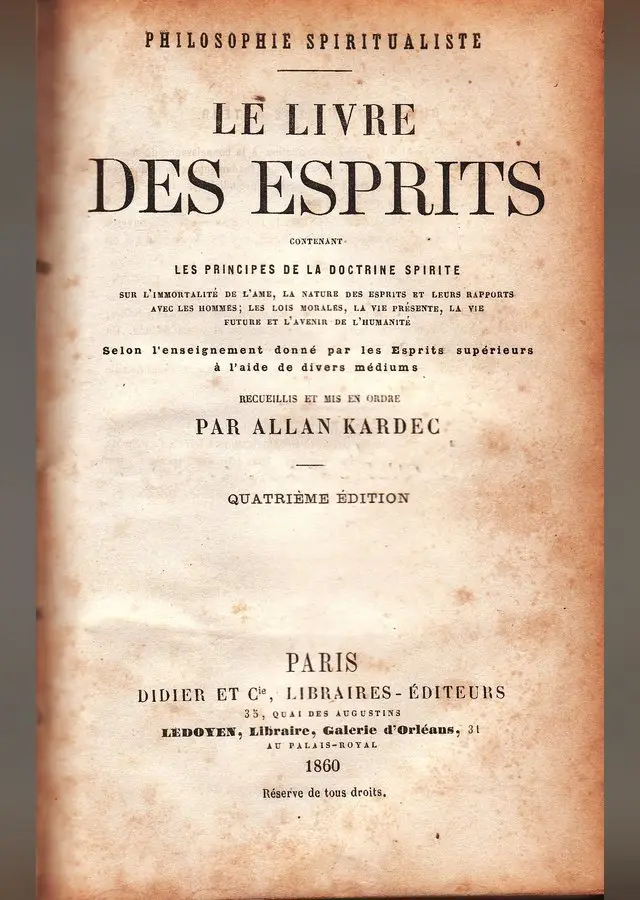
Allan Kardec wrote five works regarded as the foundation of Spiritist codification, together known as the Kardecian Pentateuch. O Livro dos Espíritos (The Spirits' Book), published in 1857, opens the series with questions and answers about the nature of spirits and the relationship between the material and spiritual worlds, drawn from hundreds of investigation sessions that Kardec held with mediums of the time.
It is followed by O Livro dos Médiuns (1861), which deals with mediumistic practice and communication phenomena, O Evangelho segundo o Espiritismo (1864), which offers a moral reading of Christian teachings in the light of the doctrine, O Céu e o Inferno (1865), on divine justice, and A Gênese (1868), on creation according to the doctrine, published a year before his death. These five works remain the reference for study in Spiritist centres in Brazil and worldwide, and many centres run study groups devoted specifically to reading them in sequence.
Why did Brazil become the largest Spiritist centre in the world?
Brazil received the Spiritist Doctrine in the nineteenth century, shortly after Kardec's publications, with the first study groups organised in the 1860s in cities such as Salvador and Rio de Janeiro. Over the twentieth century the movement developed an extensive network of centres, hospitals, welfare houses and publishers devoted to the subject, with a strong presence in states such as Minas Gerais, Rio de Janeiro and São Paulo.
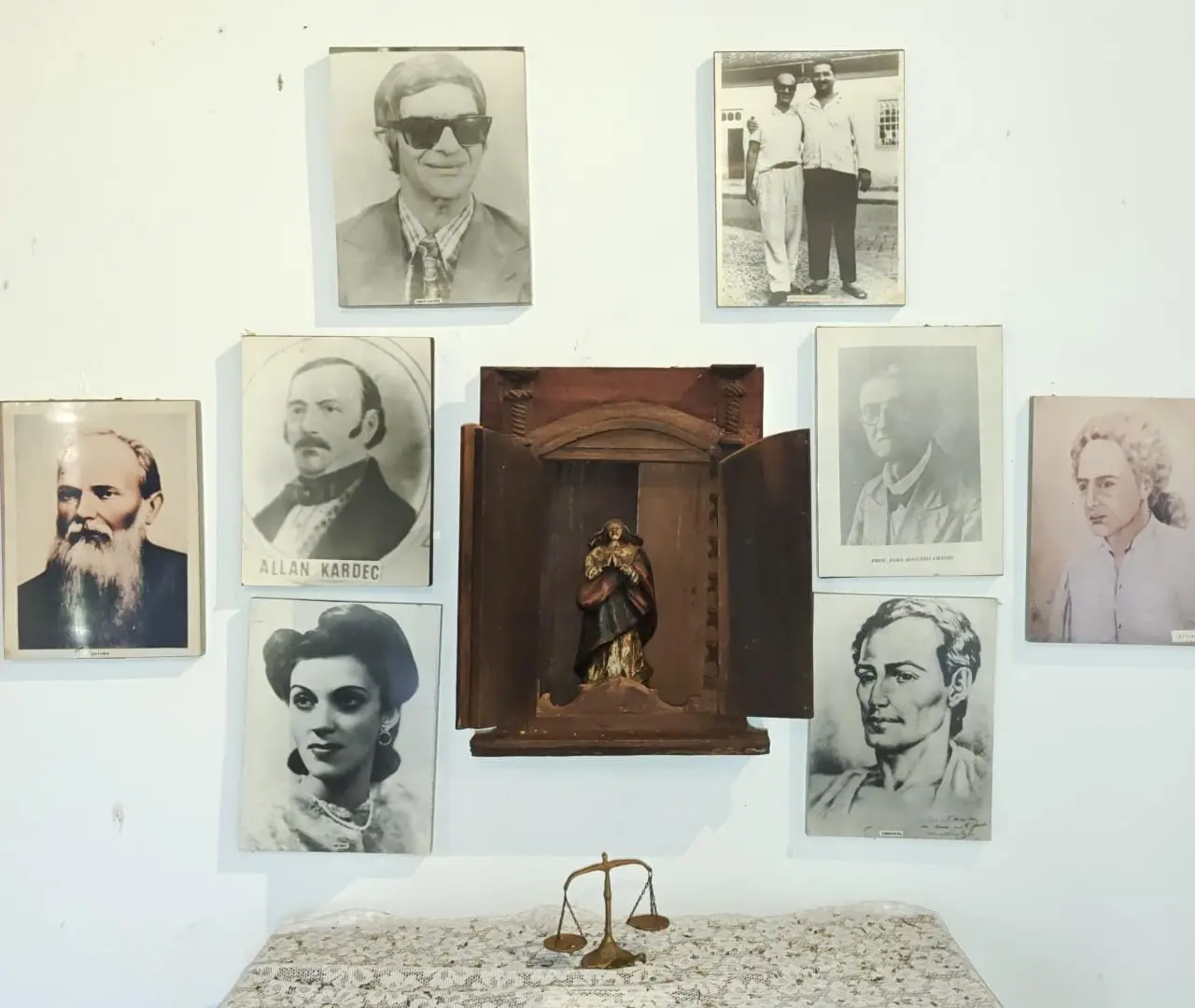
Brazilian figures such as Chico Xavier, a medium from Minas Gerais who wrote hundreds of works through psychography from the 1930s onwards, helped to spread the doctrine nationwide, bringing the reading of Kardec to a wider public through books in accessible language. Today the country has the largest number of self-declared Spiritists in the world, according to official demographic surveys, and its Spiritist welfare network remains one of the most extensive among religious organisations in the country.
What does a Spiritist caravan usually visit?
A Spiritist caravan organised by Mundo a Passeio, departing from Porto Alegre, usually includes cities and sites associated with the history of the movement in Brazil, such as Spiritist centres, memorials and cities linked to the lives of well-known mediums. Frequent destinations include cities in Minas Gerais, the state that holds much of this historical memory, alongside itineraries that combine this theme with cities of wider architectural and religious value.
The itinerary varies according to the date and the destination booked, and may bring together several cities on a single trip lasting a number of days. Details of the itinerary, the cities included and the dates should be confirmed on WhatsApp before the trip, since each Mundo a Passeio departure may have its own combination of destinations.
Do you need to be a Spiritist to join a Mundo a Passeio caravan?
You do not need to profess the Spiritist Doctrine to join a caravan organised by Mundo a Passeio, since the itineraries combine historical, cultural and religious value and attract both followers of the doctrine and people interested in the history and architecture of the places visited. Many travellers are drawn to the architectural heritage of the cities of Minas Gerais, the history of the gold cycle or the biography of figures such as Chico Xavier, regardless of any personal religious affiliation.
Those interested should consult the agency's official website or WhatsApp to confirm the profile of each itinerary, since some trips have a stronger religious emphasis while others combine this theme with historical and cultural tourism in a more balanced way.
What should you read before joining a Spiritist-themed caravan?
Before joining a Spiritist-themed caravan, it is useful to know at least the life of Allan Kardec and the general idea of O Livro dos Espíritos, since this background helps you understand the significance of the places visited along the itinerary. It is also worth reading about the life of Chico Xavier, since many Brazilian Spiritist itineraries pass through cities linked to his life in Minas Gerais.
It is not compulsory to arrive having done this reading, but those who prepare in advance tend to get more out of the explanations given during visits to memorials, Spiritist centres and the historic cities included in the itinerary.
To keep reading on the subject, see also what psychography is and the letters of Chico Xavier, how to behave in a Spiritist centre and the Chico Xavier memorial in Uberaba.