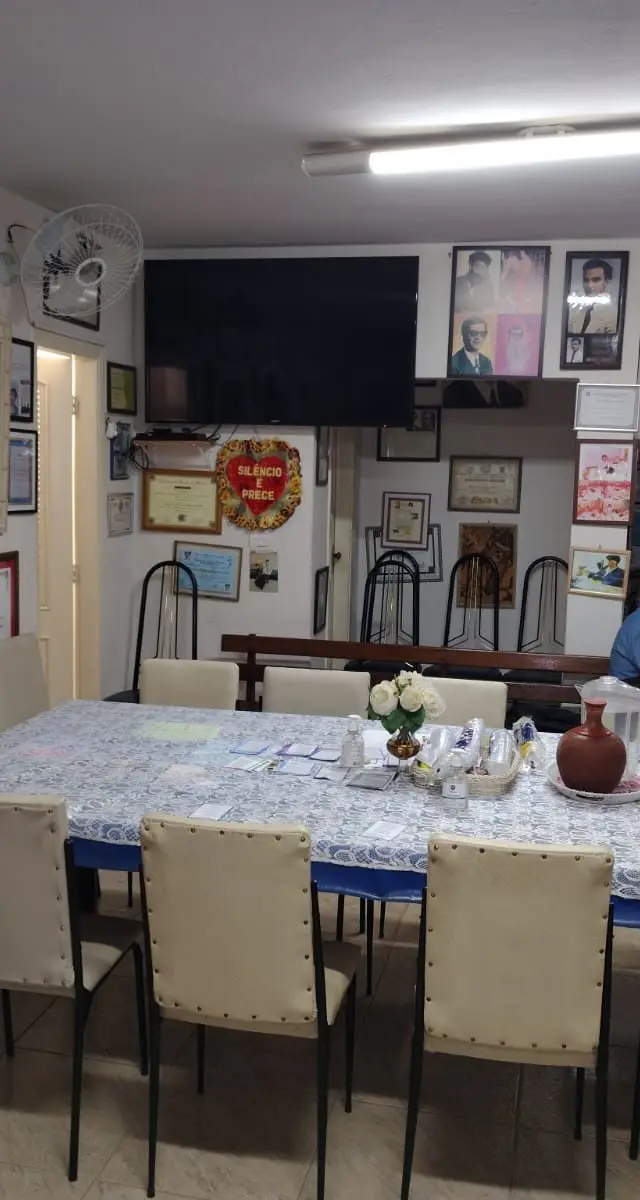
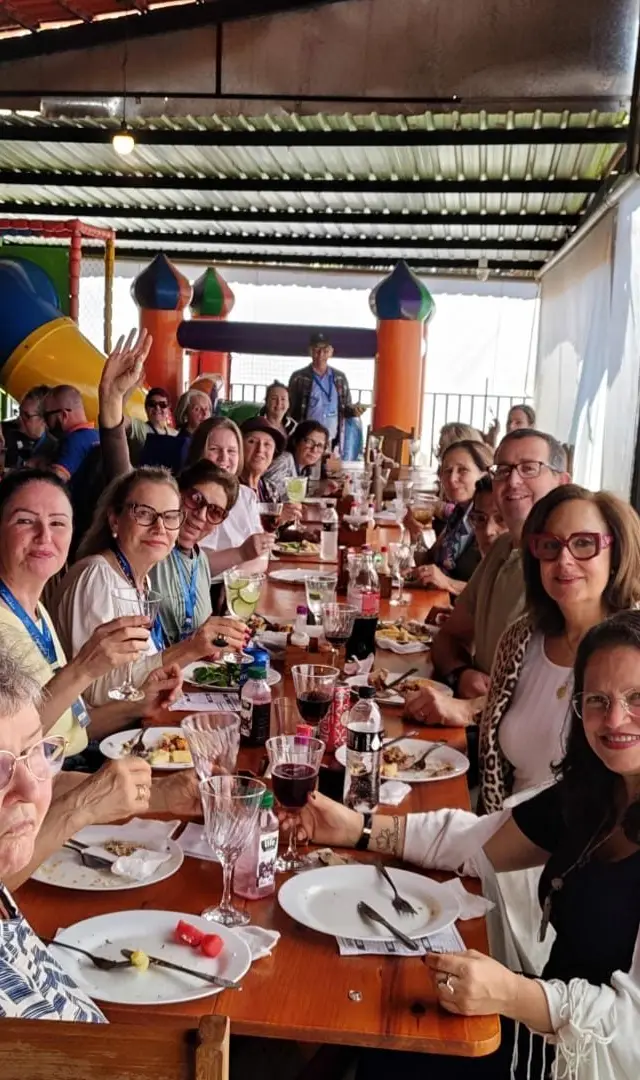
The Memorial Chico Xavier, in Uberaba, Minas Gerais, brings together a collection, personal belongings and spaces linked to the life of the medium Francisco Cândido Xavier in the city where he lived for decades. It is a frequent destination on faith caravans organised by Mundo a Passeio departing from Porto Alegre.
Where is the Memorial Chico Xavier?
The Memorial Chico Xavier is in Uberaba, a city in the state of Minas Gerais where Chico Xavier spent most of his adult life, from 1959 until his death in 2002. Uberaba lies in the Triângulo Mineiro region, an area of the state close to the borders with São Paulo and Goiás, historically associated with cattle farming and large agricultural fairs.
It was in this city that Chico Xavier built most of his public life, receiving visitors from different Brazilian states who wanted to meet him in person over decades of mediumistic activity.
What makes up the memorial's collection in Uberaba?
The collection relating to Chico Xavier in Uberaba includes personal belongings, copies of his psychographed works and records of his life in the city, including references to the house where he lived and to the places where he received people and carried out his mediumistic work. Photographs, letters and manuscripts are among the items preserved in spaces open to visitors.
These spaces keep alive the memory of decades of the medium's activity in the city, allowing visitors to see at first hand the context in which much of his work was produced.
Why did Chico Xavier move to Uberaba?
Chico Xavier moved to Uberaba in 1959, after leaving Pedro Leopoldo, his home town, and other places where he had lived in Minas Gerais during his adult life. The move to Uberaba coincided with a period of intensified mediumistic activity and growing national prominence as a public figure associated with Spiritism.
It was in Uberaba that he produced most of his psychographed work and became a national reference for Brazilian Spiritism, receiving visitors from different states until the end of his life in 2002.
Does Uberaba have other places linked to Spiritist history?
Besides the memorial spaces dedicated to Chico Xavier, Uberaba is home to Spiritist institutions founded or attended by him over decades of activity in the city, including study centres and social assistance organisations linked to the Spiritist Doctrine. Many of these institutions remain in operation, continuing the charitable legacy begun during the medium's lifetime.
This network of institutions established Uberaba as one of the Brazilian cities most closely associated with the Spiritist movement, alongside other cities in Minas Gerais of similar historical importance.
How does Uberaba fit into a Mundo a Passeio caravan?
Uberaba is usually part of the faith itineraries organised by Mundo a Passeio, departing from Porto Alegre, devoted to Brazilian Spiritist history and the life of Chico Xavier, often combined with a visit to Pedro Leopoldo on the same itinerary. This combination of cities allows travellers to follow the medium's whole journey, from his birth to his adult life.
Visiting times, the time spent in the city and other details should be confirmed on WhatsApp before the trip, as the make-up of the itinerary may vary according to the departure date.
What characterises Uberaba beyond Spiritist history?
Uberaba is also known for hosting one of the largest agricultural fairs in Brazil, a tradition going back decades that attracts visitors from the agribusiness sector across the country. This economic identity sits alongside the Spiritist memory built up over the course of Chico Xavier's life in the city.
This combination of profiles, at once agricultural and Spiritist, makes Uberaba a city with many layers of interest for anyone visiting the Triângulo Mineiro, whether on a faith itinerary or on a broader cultural one.
How does a visit to the memorial help in understanding Chico Xavier's work?
A visit to the Memorial Chico Xavier in Uberaba helps to put the medium's literary output in context, showing the everyday setting in which hundreds of works were psychographed over more than four decades of life in the city. Seeing at first hand the places where he worked, received visitors and carried out his routine of assistance adds a layer of understanding that reading the books alone does not offer.
For those who have already read works such as Nosso Lar or Parnaso de Além-Túmulo, a visit to the memorial often works as a direct complement to that reading, bringing the text closer to the historical context in which it was produced.
See also Pedro Leopoldo, land of Chico Xavier: what to see, what psychography is and the letters of Chico Xavier and Allan Kardec: who he was and what he wrote.