
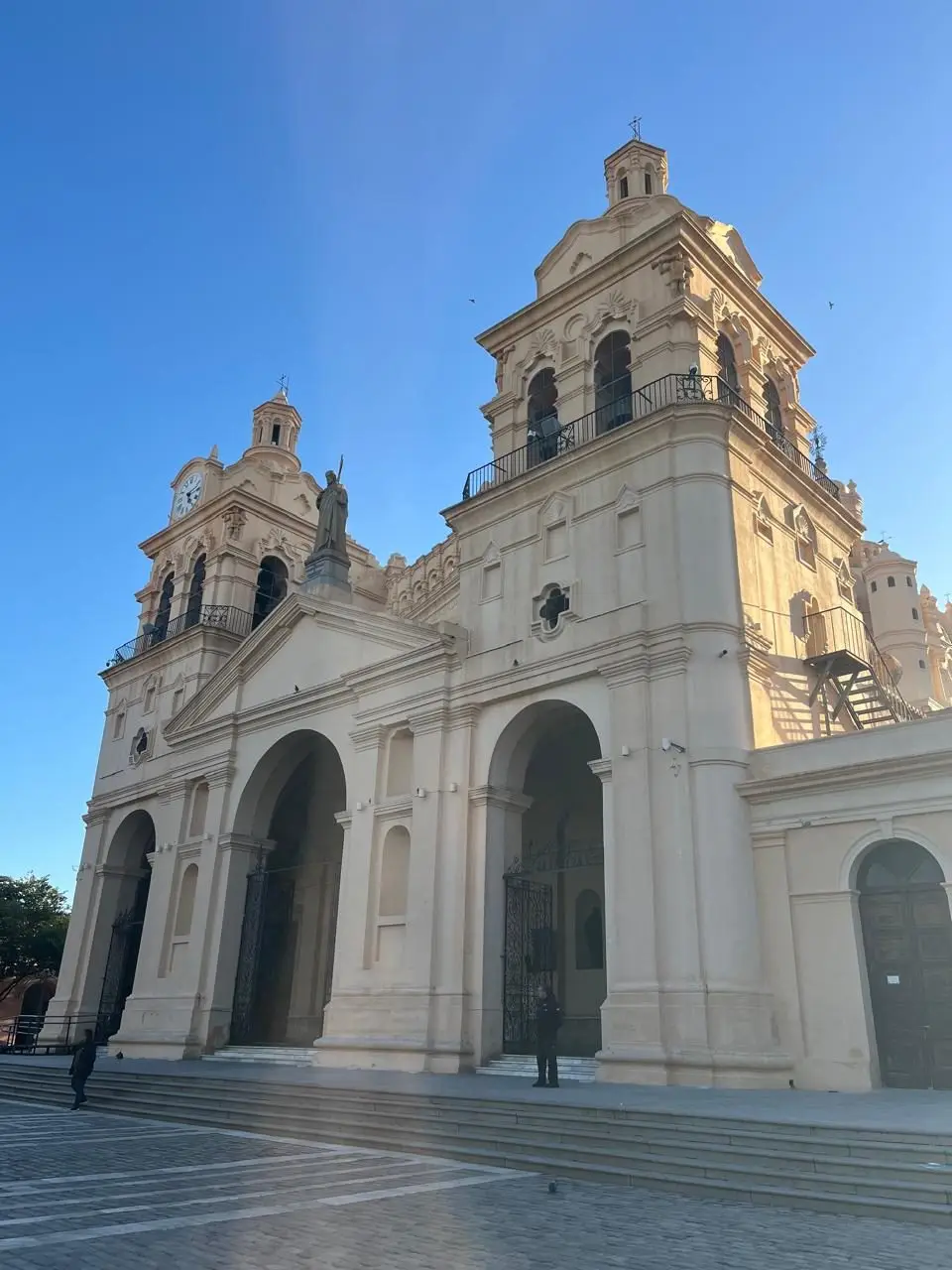
Crossing the border into Argentina is always a feast for the senses: the elegant architecture of Buenos Aires, the stunning wineries of Mendoza at the foot of the Andes, the fine cuts of meat in the traditional parrillas (grill restaurants) and the full-bodied wines make our neighbour one of Brazilians' favourite destinations.
Passengers travelling on Mundo a Passeio's road caravans and air tours know that a few simple tips on money, shopping and table customs make the trip even lighter, safer and more economical. Here we have gathered the most frequent questions from our passengers so that you can enjoy the best of Argentina without any headaches.
1. Documents for entry: simple at customs
Thanks to the Mercosur agreements, Brazilians do not need a visa or a passport to enter Argentina as tourists. You can enter with either a valid passport or your original civil identity card (RG), in good condition and issued less than 10 years ago. A birth certificate or a driving licence (CNH) is not accepted for entry immigration control.
On Mundo a Passeio departures, our team coordinates a prior document check before boarding, ensuring a quick and smooth passage through customs.
2. Currency and cards: how to pay your expenses
The official currency is the Argentine peso (ARS). In recent years, the best way to pay expenses in Argentina has changed:
- International debit cards (global accounts): Apps such as Wise and Nomad, or cards from Brazilian banks that operate with automatic conversion, offer the tourist exchange rate (MEP dollar). They are widely accepted in restaurants, hotels, supermarkets and shopping centre stores.
- Cash: Carrying a reasonable amount in Argentine pesos is essential for purchases at craft fairs, tips, small street kiosks and traditional alfajores.
- Reais and dollars: In many tourist towns and leather shops, banknotes in reais and dollars are accepted, but change is usually given in pesos and not always at the best rate. Having pesos in small denominations makes everyday life much easier.
3. Propina: how Argentine tipping works
When you sit down in a café to enjoy medialunas (Argentine croissants) or have dinner in a parrilla, remember that the tip (propina) is not usually included compulsorily in the bill:
- The local custom is to leave around 10% of the amount spent when the service is satisfactory.
- Although some modern restaurants already allow the tip to be added to the card payment, most waiters prefer to receive it in cash left on the table. Keeping smaller peso notes is a very convenient habit.
4. The famous "cubierto" (servicio de mesa)
It is very common to find on restaurant bills in Buenos Aires and other provinces a charge called cubierto or servicio de mesa (table service charge). This fee:
- Is not the waiter's tip, but a charge for table service (which includes bread rolls, butter, spreads and the tablecloth).
- In the city of Buenos Aires, local legislation requires the establishment to provide a bread basket with a gluten-free option, drinking water and low-sodium salt in order to charge this fee to adults, and it is waived for children under 12.
Travel without worries with Mundo a Passeio
The best part of travelling on our caravans to Argentina (as on the well-known Grand Tour Andino) is that you do not need to worry about rushed currency exchange, complicated routes or language barriers. Our coordinators guide you at every stop and help with everything.
Discover our upcoming international departures on the expeditions page or ask your questions through our WhatsApp.
Sources and references
- Consulado-Geral do Brasil em Buenos Aires (MRE): information and recommendations for Brazilian tourists in Argentina.
- Secretaria de Turismo, Ambiente e Deportes da República Argentina (argentina.travel): guidelines for travellers and information on exchange and propina.
- Governo da Cidade Autônoma de Buenos Aires: legislation on table service and consumer protection.
- Mundo a Passeio: operational records of the international road caravans.


